
Our impact
Through Impact Measurement & Management we get a clear view of the change each investment is expected to deliver. We define the intended outcomes from fund design, translate them into KPIs and targets for each investee, and monitor progress throughout the investment period. This allows us to see where an institution is progressing, where performance is falling short and where additional support can improve outcomes for clients and communities.
Impact Measurement and Management
IMM throughout the investment lifecycle
Impact Measurement and Management begins when we define the problem a fund will address. The fund’s theory of change determines its impact objectives and the indicators used to measure progress.
At investment level, our investment and Technical Transformation teams translate that theory into KPIs and targets relevant to each investee. These are agreed during the investment process and incorporated into how we select, structure and manage each investment.
Fund design
Define the problem, theory of change and intended outcomes.
Due diligence
Assess the investee’s impact potential, risks and capabilities, including its technical-assistance needs.
Investment structuring
Turn the assessment into a tailored TA plan and agree KPIs, targets, responsibilities and impact-linked incentives.
Portfolio management
Once the investment closes, deliver the TA plan, monitor progress alongside financial performance and adjust support when needed.
Evaluation and learning
Test outcomes independently and apply the evidence to current investments and future funds.

Technical Assistance
Turning impact targets into institutional change
We turn that assessment into action through tailored technical assistance. We work hand in hand with investees to identify the capabilities that can improve both impact and financial performance, then build tailored TA plans around those priorities. The work can cover products, training, systems, governance, climate risk or agricultural finance, with a clear objective: help investees serve more underserved clients, serve them better and retain those capabilities after our investment ends.
Measurement gives us direction. Technical assistance helps investees make the changes required to deliver stronger outcomes.
Our investment and Technical Transformation teams work together throughout the process. During due diligence, the Technical Transformation team assesses the investee’s capabilities and identifies where support can unlock stronger impact and financial performance. During investment structuring, that assessment becomes a tailored TA plan, agreed with management. Once the investment closes, the plan is delivered alongside ongoing monitoring and adapted as the institution evolves.
Support may address strategy, product development, agricultural finance, climate risk, governance, data or impact management. By strengthening teams, systems and products, technical assistance helps investees serve clients better and sustain that impact after our investment ends.
Incentives
Aligning economics with impact
Clear KPIs allow us to align economic incentives around the outcomes each strategy is designed to achieve.
At fund manager level
Part of our carried interest is linked to independently verified impact targets. We earn more when we deliver stronger impact and less when we fall short.
At investee level
Through outcome-based finance, investees can earn a reduction in their effective interest rate when they achieve agreed impact targets.
This alignment runs through the investment chain, from investors and GAWA to investees and the communities they serve.
Evidence
Measuring what changes for people
We monitor reach and institutional performance throughout the life of an investment. To understand outcomes, we also go beyond investee-reported data and listen directly to clients and communities.
Independent evaluations examine whether access to finance and other solutions improve income, financial health, food security and resilience, and whether investees have built capabilities that will last.
Our reporting distinguishes investee reach, GAWA-attributed reach and independently assessed outcomes. This gives investors a clearer view of scale, contribution and the strength of the evidence.
Portfolio reach
- 15Mclients served by our active investees
- 1.1Mclients reached on a GAWA-attributed basis since 2010
- 51%women among clients of active investees
- 45%rural clients
- 583ksmallholder farmers served
Portfolio figures as of 31 December 2025. Total investee reach and GAWA-attributed reach are reported separately.

From reach to outcomes
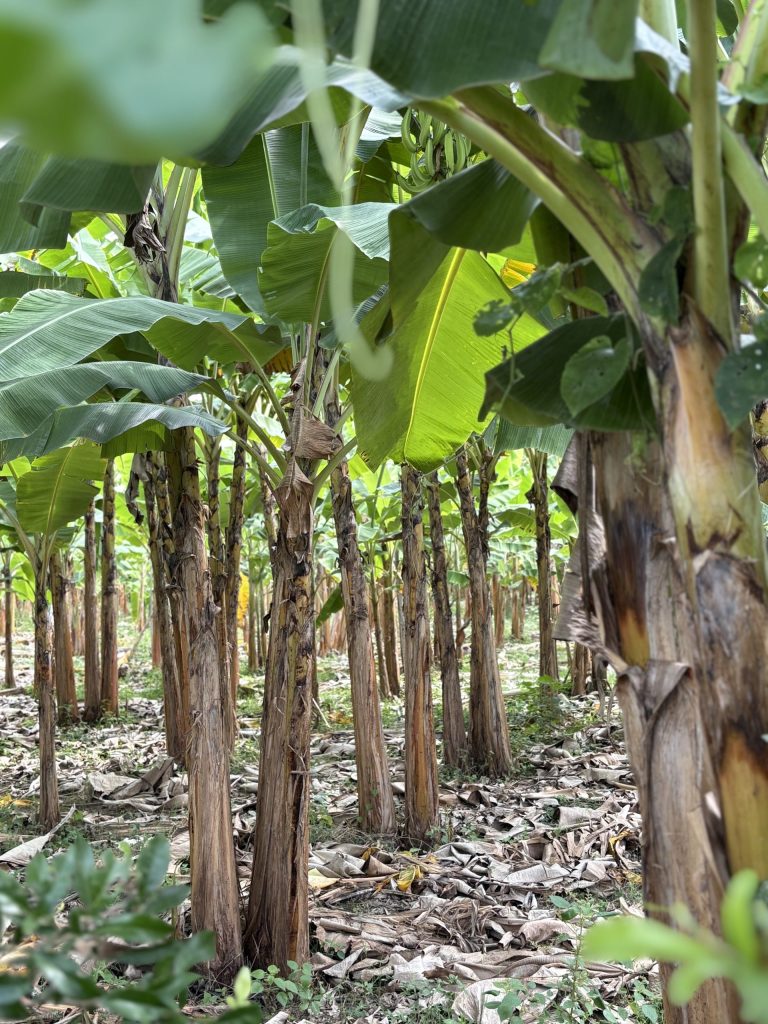
In 2025, Dalberg and 60 Decibels conducted Huruma’s independent mid-term evaluation, funded by the European Commission. The evaluation analysed 18 investees and included interviews with 1,716 farmers across nine countries.
For farmers
- 80%
- reported higher income after accessing finance
- USD 468
- average annual income increase attributed to the financing received
- 66%
- were better able to save and manage unexpected expenses
- 50%
- reported improved resilience to climate change
For investees
- EUR 1.65bn to EUR 3.36bn
- growth in the agricultural loan portfolio
- 561k
- new clients reached, including 337k women
- 90%+
- reported at least one institutional change linked to Huruma
- Around 70%
- said Huruma helped them attract other investors
These are mid-term findings. The final evaluation will assess longer-term change.
Learning
Evidence that improves decisions
The purpose of measurement is better decision-making. We use portfolio data, beneficiary feedback and independent evaluation to adjust technical assistance, engage investee management and refine future strategies.
Learning from financial inclusion led us to focus more deeply on agriculture. Evidence from Huruma’s investees and farmers helped place climate resilience at the core of Kuali. Each fund builds on what the previous one taught us.

Let’s build together!
Whether you are an investor, an organisation seeking financing, a potential partner or a candidate — tell us what brings you here and we will respond with the right information.